From Match to First Date: Messaging That Actually Gets There
In 2026, dating apps remain the most common way people meet partners, yet the gap between a match and an actual first date still feels enormous for many. The difference usually comes down to messaging habits that feel natural rather than scripted. Good openers, balanced exchanges, and timely transitions matter more than clever one-liners.
Start every conversation by noticing something specific. Instead of “Hey,” try “Your photo of the trail in Patagonia made me laugh because I fell in exactly the same spot last year. Did you make it to the glacier?” This shows you read the profile and gives the other person an easy way to reply. Generic compliments or jokes copied from the internet rarely spark real talk.
Keeping the Rhythm Alive
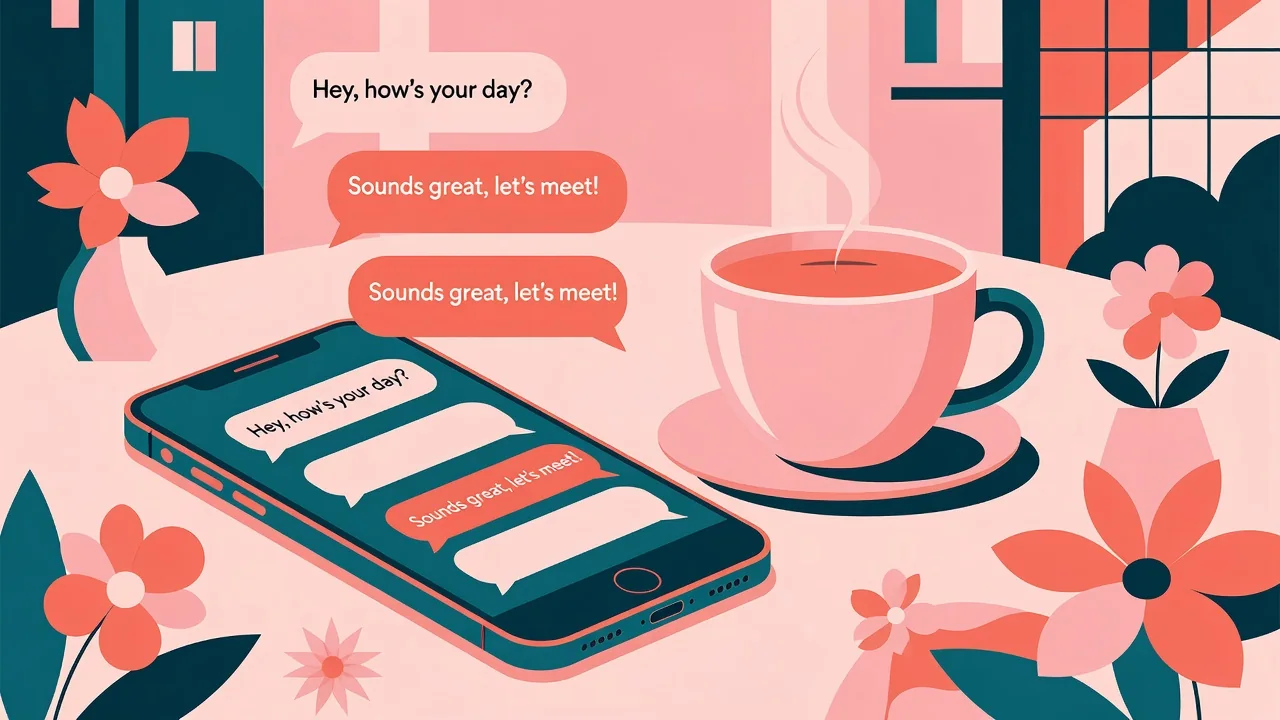
Think of messaging as a game of catch rather than a monologue. After they answer your question, respond to what they said and add a related thought or question of your own. If replies slow down, avoid double-texting or asking why they’re not responding. A single friendly follow-up after four or five days is usually enough. If interest clearly fades, it is kinder to let the chat end quietly than to chase.
Most people feel comfortable suggesting a date between three days and one week of consistent messaging. By then you have a sense of basic compatibility without letting the conversation grow stale. Waiting longer often leads to awkward “so what are we doing?” moments or total ghosting.
Suggesting the First Meeting
Make the invitation specific but low-pressure. “Would you like to grab coffee at the new roastery on 5th Street this Thursday around 6?” works better than the vague “We should meet sometime.” A clear plan shows confidence and respect for their schedule. Suggesting an activity tied to something you already discussed (a bookshop, dog park, or taco stand) makes the invitation feel personal rather than generic.
If they say they are busy, offer one alternative date. If that also fails, accept the soft rejection gracefully. Not every match is meant to become a date, and exiting politely preserves dignity for both people.
Handling Slow Replies and Fading Interest
Slow replies happen for many reasons that have nothing to do with you: work deadlines, family issues, or simple exhaustion from app fatigue. Give the benefit of the doubt once or twice. A calm message like “No rush, just checking in” keeps the door open without pressure. When someone consistently takes days to reply or gives one-word answers, it is usually a sign to move on. A short “It was nice chatting, hope you have a good week” is sufficient. Lingering or demanding explanations rarely changes the outcome and can leave you feeling worse.
| Helps Move to a Date | Hurts Progress |
|---|---|
| Referencing a specific detail from their profile in the first message | Starting with “Hey” or “What’s up” |
| Asking open questions and sharing related personal stories | Sending long paragraphs about yourself before they reply |
| Suggesting a concrete time and place after a few days of good chat | Asking “Why are you bad at texting?” when replies slow |
| Gracefully ending the conversation if interest fades | Double-texting or sending memes to “revive” a dead chat |
Successful messaging in 2026 still rests on the same principles that have always mattered: genuine curiosity, respect for someone’s time, and the confidence to suggest a real-world meeting before the spark cools. Keep exchanges light, reciprocal, and purposeful. The goal is not to win the conversation but to discover whether you enjoy each other’s company enough to continue it face to face.
- Read the full profile before messaging
- Match their energy and reply length
- Transition to a date while the conversation still feels fresh
- Stay kind even when interest is not returned
Small adjustments in how you write and when you suggest meeting can dramatically increase the number of matches that turn into actual dates. The apps provide the introduction; the messages decide whether anyone bothers to show up.