Red Flags and Green Flags: Reading Early Dating Signals
In the delicate dance of early dating, signals can feel like whispers or warning bells. By 2026, with dating apps still dominating first connections and real-life meetups feeling rarer, learning to read these cues matters more than ever. The key isn’t perfection—everyone has off days—but spotting consistent patterns that reveal character before emotional investment deepens.
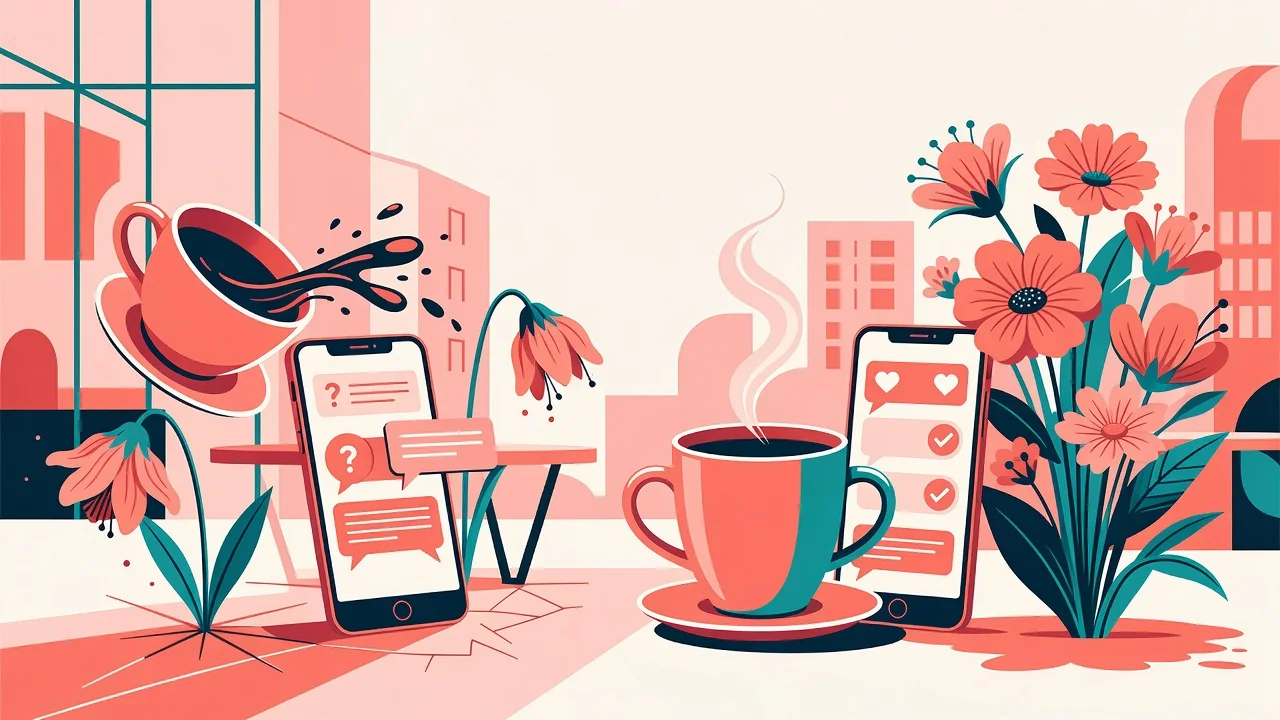
Red flags often masquerade as passion or protectiveness. Love-bombing, for instance, shows up as an intense rush of compliments, gifts, and future plans within the first few dates. While flattering at first, it can signal an attempt to fast-track intimacy and create dependency.
Similarly, when someone’s words paint them as attentive yet their actions—cancelling plans last-minute without explanation or going silent for days—tell another story, that inconsistency deserves attention. Contempt for service staff, subtle pressure that dismisses your boundaries, or jealousy wrapped in “I just care about you” language are also patterns worth noting rather than excusing as one-offs.
Green Flags That Build Trust
On the brighter side, green flags tend to feel quieter but more steady. Someone who follows through on what they say—whether it’s texting when they promised or showing up on time—demonstrates reliability that compounds over weeks. Genuine curiosity about your life, your opinions, and your quirks goes beyond surface-level small talk.
When they respect a clear “no” without sulking or negotiation, it reveals emotional maturity. Kindness under minor stress, like a delayed train or a clumsy waiter, often reveals true character more than grand gestures. Finally, if their friends speak warmly about them in your presence, it suggests a consistent reputation beyond the honeymoon phase.
Patterns Matter More Than Moments
One awkward comment or a single cancelled date doesn’t define someone. Healthy people can have bad weeks. The danger lies in repeated behaviours that leave you feeling uneasy, diminished, or off-balance. Conversely, a pattern of respect, curiosity, and steadiness creates safety that allows real connection to grow. Early dating in 2026 still requires the same ancient skill: paying attention not just to what people say, but to how they make you feel over time.
| Red Flags | Green Flags |
|---|---|
| Love-bombing with excessive early affection and future talk | Consistent follow-through on plans and promises |
| Inconsistency between words and actions | Shows genuine curiosity about your thoughts and life |
| Contempt or rudeness toward service staff | Respects your “no” without pressure or sulking |
| Pressure around your personal boundaries | Displays kindness during minor inconveniences |
| Jealousy disguised as caring | Friends speak positively about them |
Trust develops gradually through small, repeated moments. Pay attention to how someone handles disappointment, listens when you share vulnerabilities, and treats people who can’t offer them anything. In a world of curated profiles and highlight reels, these real-world patterns remain the most reliable indicators of whether someone is worth your time and heart. Slow down, stay observant, and remember that the right connection should ultimately leave you feeling more like yourself, not less.
- Notice how they respond when plans change unexpectedly
- Observe their tone when talking about past relationships
- Pay attention to whether conversations feel balanced or one-sided
Early dating should feel exciting yet grounded. When green flags stack up consistently, it’s worth leaning in. When red flags appear repeatedly, it’s wise to step back before patterns become problems. Your peace and self-respect are worth protecting from the very first messages.